
20 months - Pre-K
The Childcare Center.
A place to grow into themselves.

Supported as they grow
As children become more independent, they need space to make choices, build relationships, and discover what they can do. Our teachers provide the guidance and encouragement they need to explore with confidence.
✓ Growing Independence ➝ Children take on more responsibility and become active participants in their daily routines.
✓ Meaningful Relationships ➝ Teachers create a supportive environment where children feel known, valued, and connected.
✓ Learning Through Play ➝ Hands-on experiences help children build skills, solve problems, and make sense of their growing world.
✓ Small groups. More individual attention ➝ Our classrooms maintain ratios that exceed Ohio's licensing requirements, giving teachers more opportunities to know each child and respond to their individual needs.
| Classroom | Age Range | Teacher-to-Child Ratio | Maximum Group Size |
|---|---|---|---|
| Seedlings | 20–28 months | 1:5 | 14 children |
| Saplings | 28–36 months | 1:5 | 13 children |
| Nursery | 36-48 months | 1:8 | 24 children |
| Grove | 4+ years | 1:10 | 28 children |
Ratios may be adjusted as needed to ensure safety, quality care, and compliance with state licensing regulations.

Growing Curious, Confident Learners
Through play, discovery, and meaningful experiences, children build the skills they need to thrive.
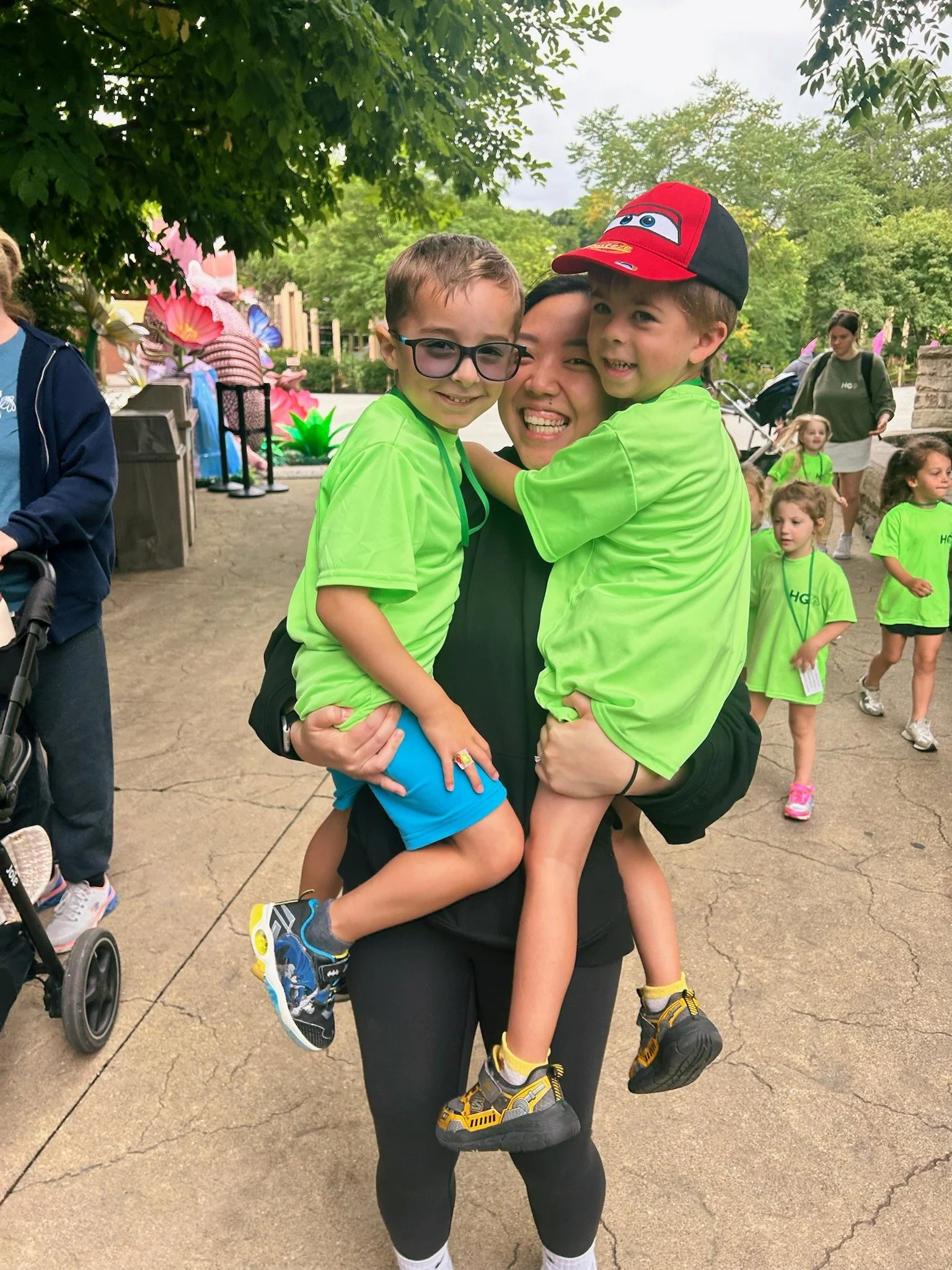

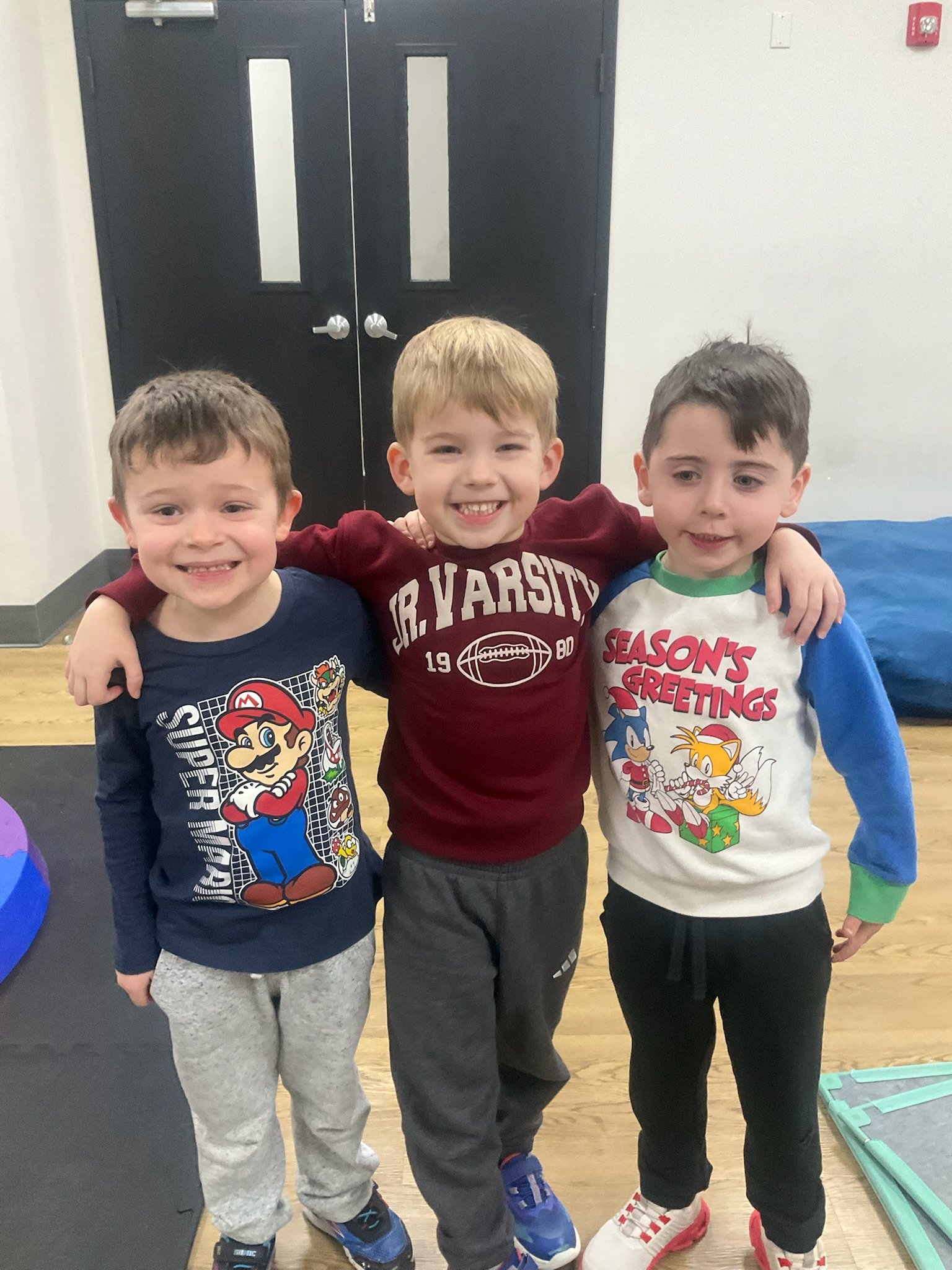
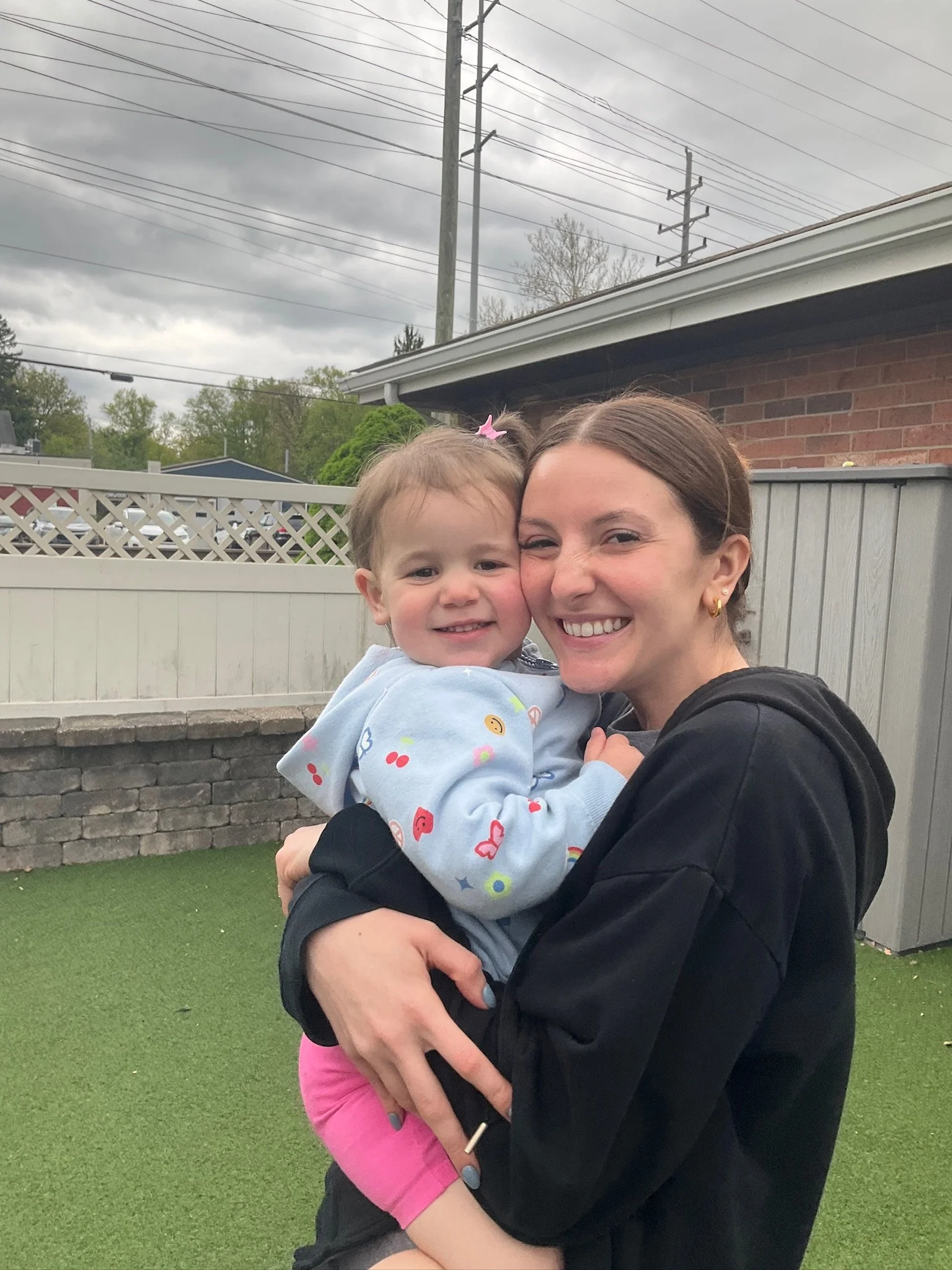
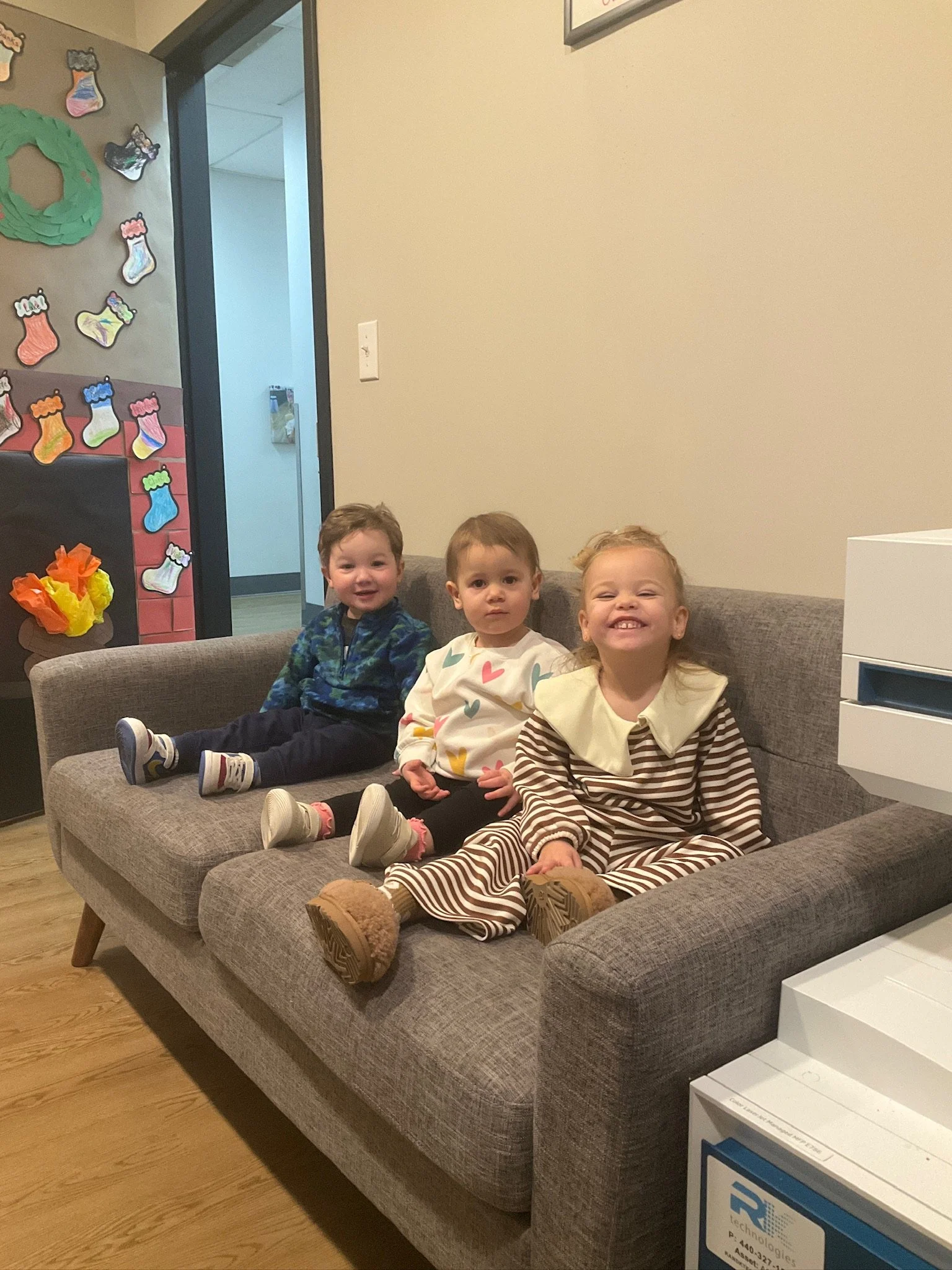
Meet the classrooms
Each stage brings new discoveries, growth, and milestones
Seedlings
03.
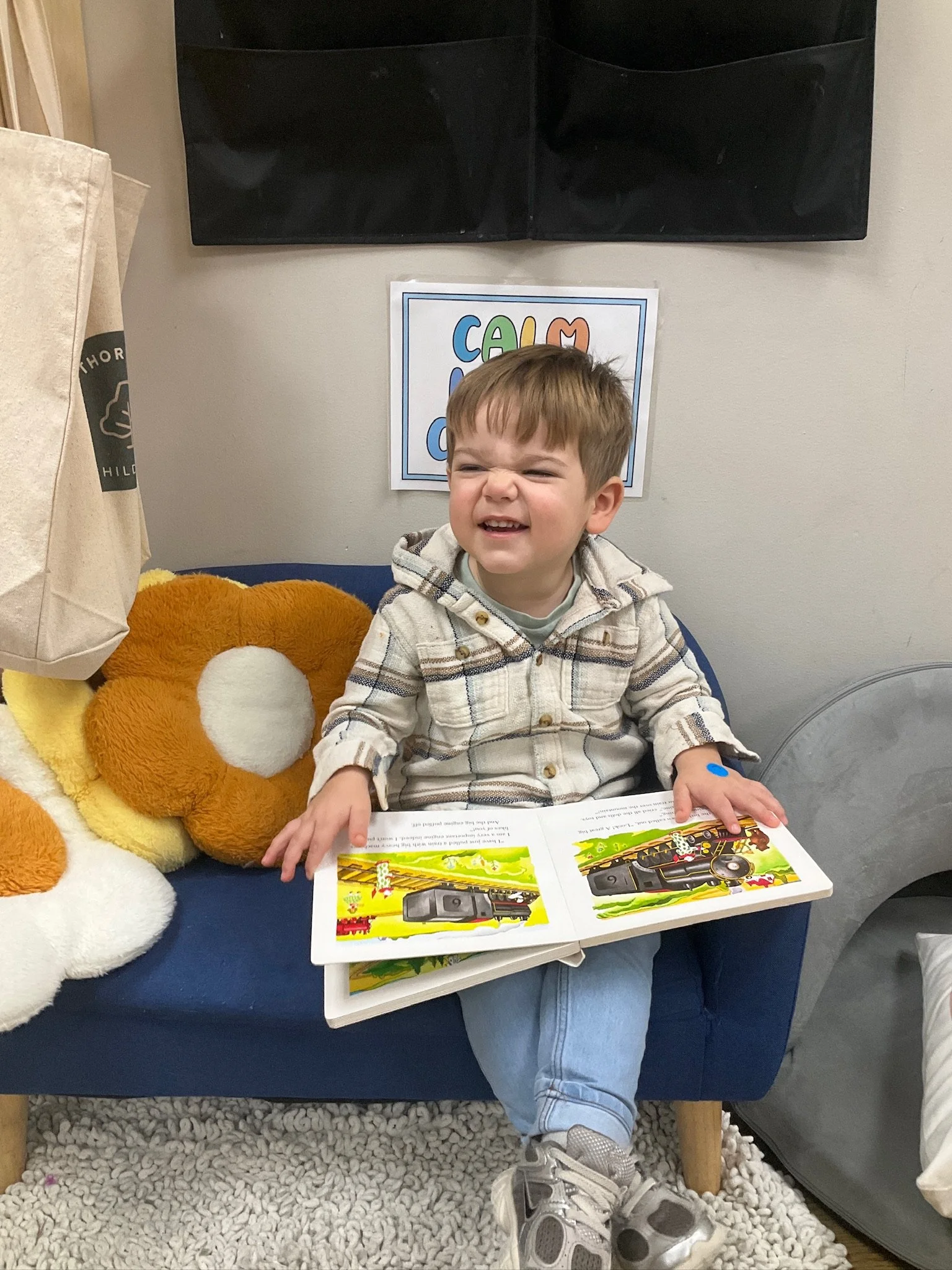
20 - 28 months
The Seedlings classroom supports toddlers as they navigate big emotions, growing independence, and a rapidly expanding world. Through hands-on play, children strengthen their gross and fine motor skills, practice early self-help routines, and explore early concepts like colors, shapes, and sorting. With opportunities for sensory exploration, educational technology, and gentle interactions with classroom pets, children are encouraged to discover, try, and grow at their own pace.
-
Social & Emotional Development
Children begin learning to manage emotions and actions, practicing accepting limits and making choices with guidance from trusted adults.
Approaches to Learning
Seedlings develop confidence and a growth mindset as they become more aware of their own abilities and take pride in accomplishing simple tasks.
Language & Literacy
Language skills expand as children start combining words into simple two-word phrases to express needs, ideas, and feelings.
Cognitive Development
Children explore problem-solving by trying different strategies when faced with new challenges.
Early Math Skills
Seedlings begin understanding number relationships, including recognizing that adding objects creates a larger group.
-
Morning Welcome & Free Play
Children are greeted warmly and ease into the day through free play, exploring toys, books, and familiar routines.
Circle Time & Learning Activities
Group time includes songs, stories, movement, and simple discussions, along with table activities and learning centers that build early academic and social skills.
Outdoor & Gross Motor Play
Time in the playground, motor room, or on walks allows children to build strength, coordination, and confidence through active play.
Lunch & Rest Time
Children enjoy a shared lunch followed by rest or quiet activities, supporting healthy routines and self-regulation.
Creative Play & Afternoon Enrichment
Afternoons include art, music, dance, sensory play, and open-ended exploration, ending the day with relaxed free play as children prepare to head home.
Saplings
04.
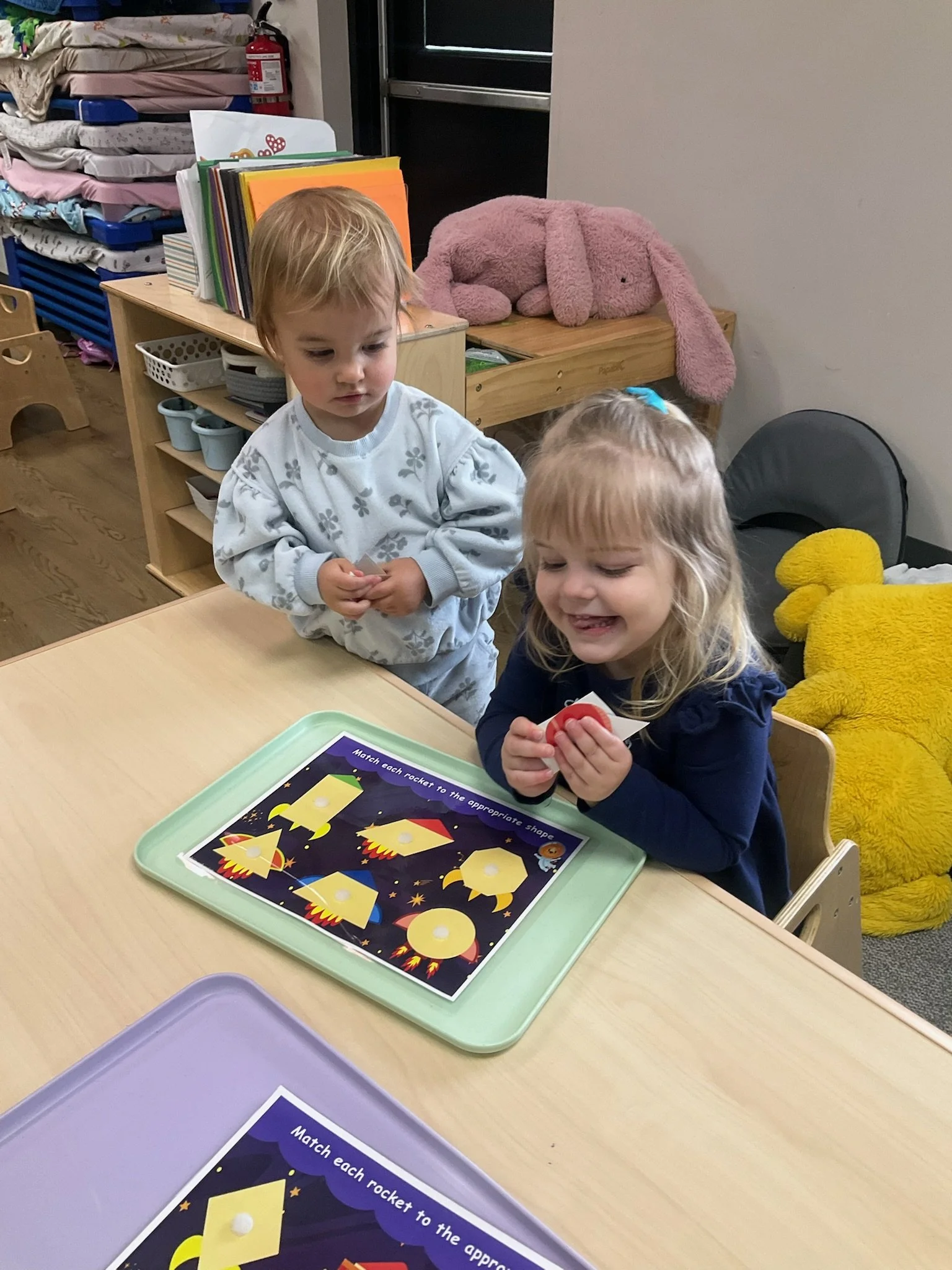
28 - 36 months
The Saplings classroom is a time of growing independence, social connection, and self-expression. Children become active participants in daily routines, build friendships, and explore their ideas through pretend play and hands-on experiences. Teachers support toileting readiness, following directions, and expanding language as children begin communicating in short conversations. With nurturing guidance and plenty of opportunities to make choices, children continue to grow in confidence, curiosity, and independence.
-
Social & Emotional Development
Children gain greater control over actions and emotional expressions while navigating peer relationships.
Approaches to Learning
A growth mindset emerges as children learn that persistence and effort help them master new challenges.
Language & Literacy
Communication expands into simple three- and four-word sentences to express ideas, needs, and requests.
Cognitive Development
Children solve problems by questioning, planning, and completing a sequence of actions.
Early Math Skills
Saplings begin understanding subtraction concepts, recognizing that taking objects away creates a smaller group.
-
Morning Welcome & Free Play
Children arrive to a welcoming environment with free play and opportunities to practice self-help routines, including toileting.
Circle Time & Group Learning
Large-group experiences encourage listening, participation, and following multi-step directions.
Art & Small Groups
Children explore hands-on activities that support creativity, early academics, and cooperative play.
Outdoor & Gross Motor Play
Daily movement through outdoor play or the motor room supports physical development and energy release.
Lunch & Rest Time
Children enjoy lunch followed by a nap or quiet activities to recharge.
Afternoon Exploration & Wind-Down
The day concludes with table activities, stories, and relaxed play as children prepare for home.
Nursery
05.
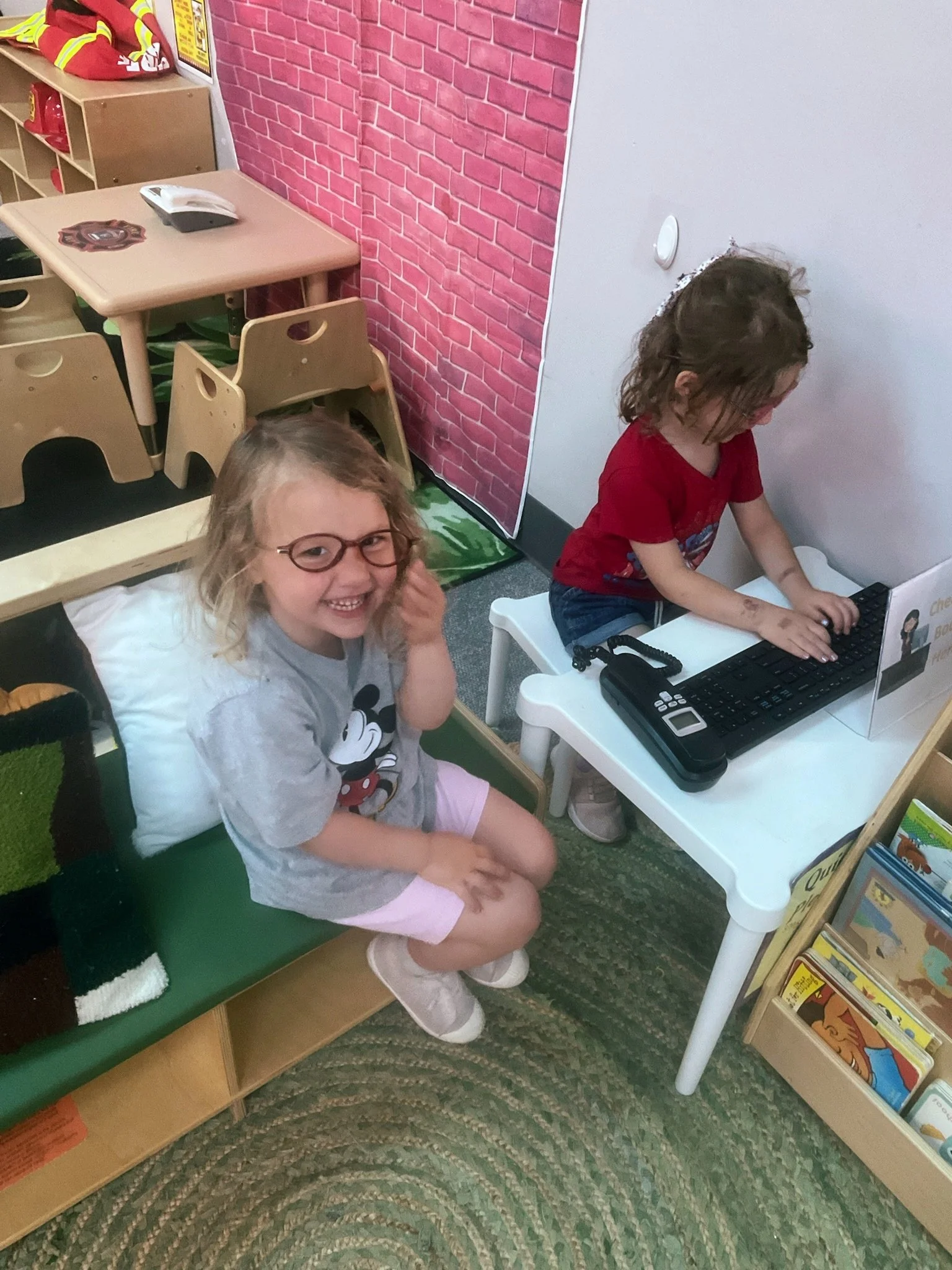
3 - 4 years · Preschool
The Nursery classroom offers a preschool-style environment where creativity, curiosity, and early academics come together through meaningful play and exploration. Children engage in hands-on experiences, STEM activities, guided learning, and collaborative projects that build a strong foundation for future learning. As their ideas become more complex, children are encouraged to ask questions, solve problems, express themselves, and take greater ownership of their learning.
-
Social & Emotional Development
Children use their senses and self-awareness to regulate reactions and maintain focus.
Approaches to Learning
Confidence grows as children recognize and express pride in their expanding abilities.
Language & Literacy
Children communicate using complete sentences that include descriptive language and prepositions.
Cognitive Development
Problem-solving becomes more advanced as children plan, question, and follow through with solutions.
Early Math Skills
Children understand that groups can be separated into smaller parts and combined back together.
-
Morning Welcome & Choice Time
Children begin the day with free-choice centers that encourage independence and decision-making.
Circle Time & Projects
Group lessons and creative projects introduce pre-academic concepts while fostering collaboration.
Storytime & Transitions
Books, routines, and self-care activities support literacy and independence.
Outdoor & Motor Play
Children build strength and coordination through playground and motor room experiences.
Lunch & Rest Time
A shared lunch is followed by rest to support focus and well-being.
Afternoon Play & Pick-Up
The day winds down with movement, snack, and free-choice play as children prepare to go home.
Grove
06.
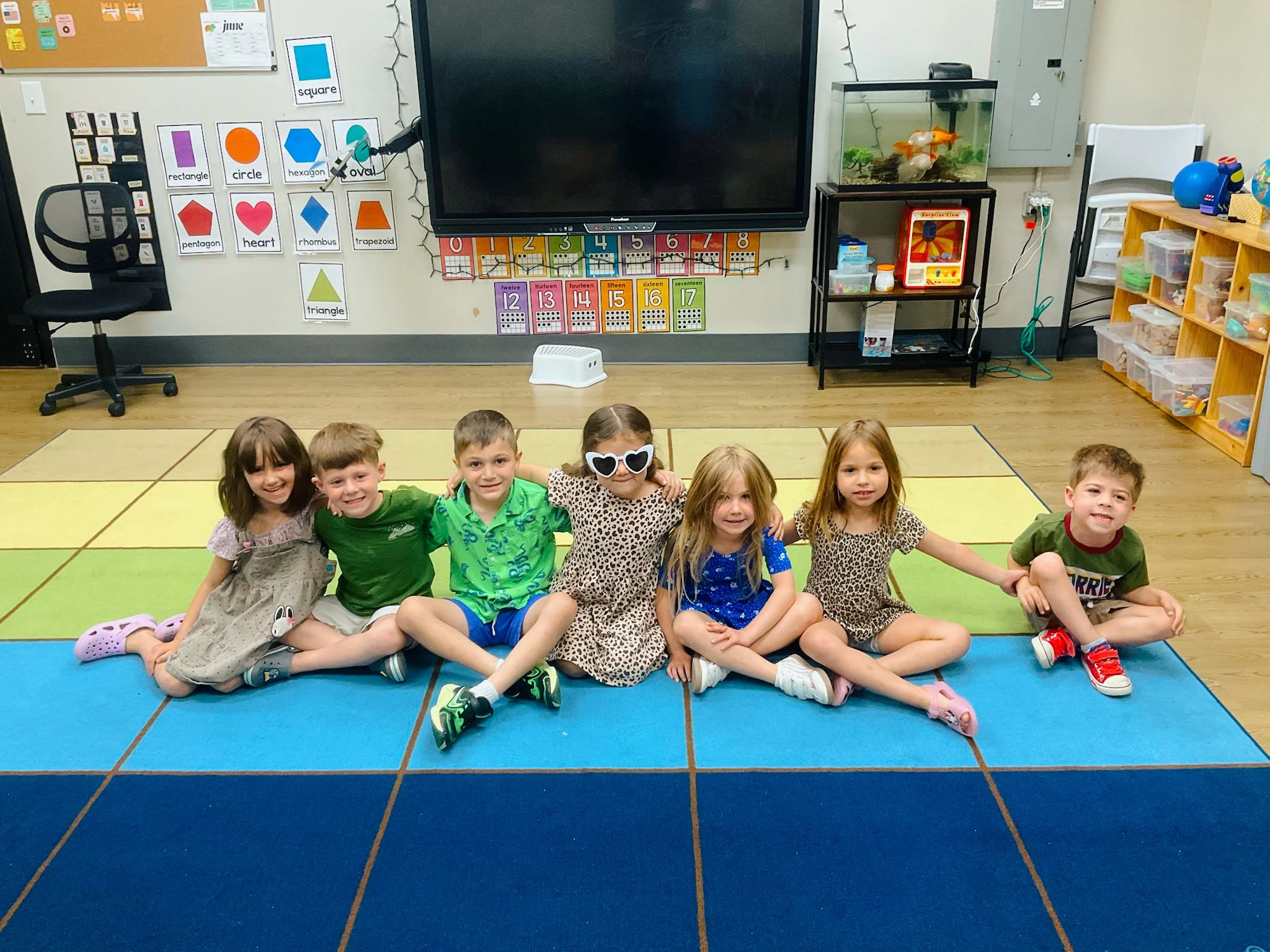
4+ years · Pre-K
The Grove classroom prepares children for the next chapter with growing academic readiness, independence, and confidence. Children share stories, engage in increasingly complex conversations, and apply early learning concepts across subjects through intentional instruction and collaborative experiences. With supportive guidance and opportunities to take ownership of their learning, children leave Grove ready to approach Kindergarten with confidence, curiosity, and a strong sense of themselves.
-
Social & Emotional Development
Children practice delaying gratification and managing emotions during group experiences.
Approaches to Learning
A strong growth mindset is evident as children recognize and celebrate the achievements of others.
Language & Literacy
Children communicate clearly using complex sentences with descriptive language and structure.
Cognitive Development
Children explain their reasoning and reflect on problem-solving strategies.
Early Math Skills
Children add and subtract within small sets using concrete objects.
-
Morning Arrival & Free Play
Children settle in through free play and connection with peers.
Movement, Yoga & Circle Time
The day includes physical activity, mindfulness, and large-group discussions to support focus and well-being.
Small Groups & Learning Centers
Teachers guide focused instruction and hands-on learning aligned with Kindergarten readiness.
Centers & Reading
Balanced use of literacy, educational technology, and nourishment supports engagement.
Lunch & Rest Time
Children enjoy lunch followed by rest or quiet activities.
Afternoon Exploration & Outdoor Play
The day concludes with group activities, outdoor play, and relaxed free time before heading home.
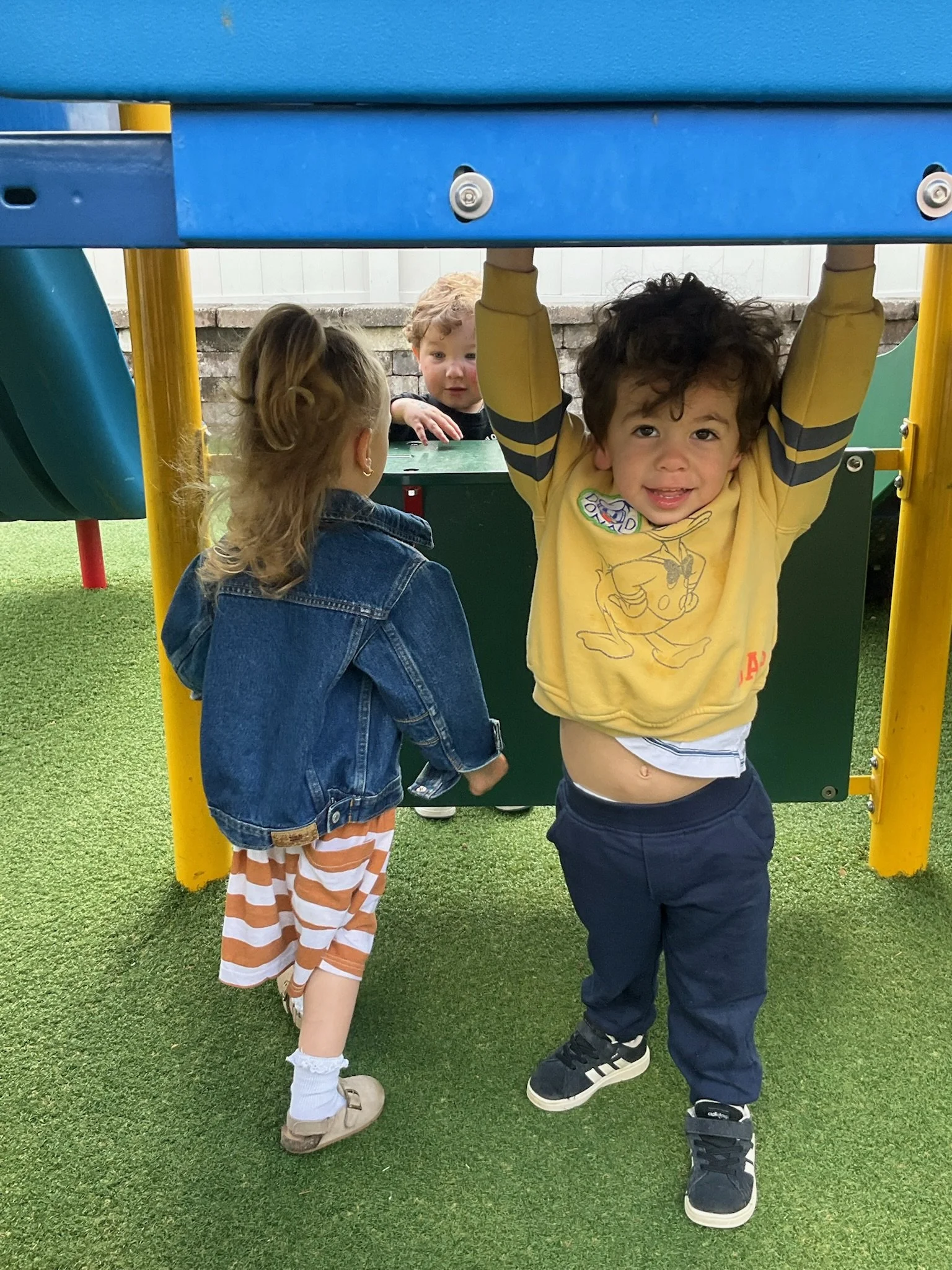
So many little moments.
So much room to grow.
We’re honored to be part of these early years and all the curiosity, connection, and discovery that come with them.